The first purchase proves that the offer was noticed. The second suggests that the product earned the shopper’s trust.
A promotion can encourage trial. An attractive price can make the decision easy. Strong packaging can win attention on shelf.
But none of these guarantees that the shopper will return.
For private-label products, the real test begins after the product leaves the store.
Trial is not loyalty
Recent international research shows how far private label has moved beyond being merely a lower-priced alternative.
McKinsey reports that more than 80% of surveyed consumers in both the United States and Europe perceive private-brand quality as equal or superior to branded products. It also warns that shoppers may not give a private-label product another chance if its quality disappoints.
Kantar’s 2025 analysis points to the same shift: shoppers are increasingly describing private-label products as trustworthy, high quality or premium. Packaging helps establish that expectation—but the product still has to deliver it.
The commercial lesson is simple:
The first sale wins a basket. The second starts to build a brand.
Put the second purchase into the product brief
Before approving a new item, ask three questions.
1. What should the shopper appreciate after using it?
The answer needs to be more specific than “good quality”.
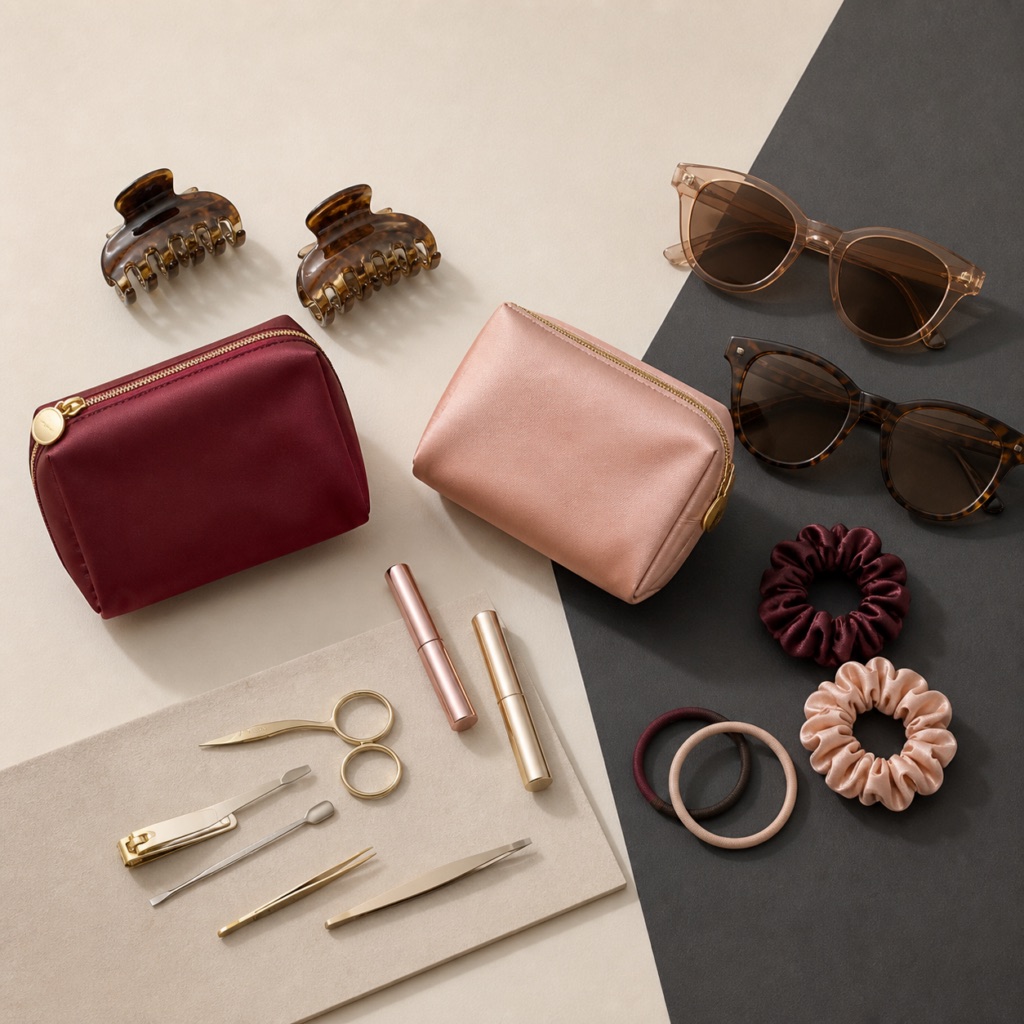
It could be a claw clip that retains its tension, a toiletry bag that wipes clean, a manicure tool with a comfortable grip or a baby accessory that is genuinely easy to wash.
These are the details shoppers remember after the packaging has been discarded.
2. What makes the product worth choosing again?
Price may encourage the first purchase, but repeat purchase normally needs another reason: dependable performance, a clever feature, a desirable finish, convenient packaging or confidence in the retailer’s brand.
Circana’s private-label research describes the strongest store brands as increasingly differentiated, customer-focused products—not simply affordable copies of national brands.
3. How will we recognise success after launch?
Initial sell-through matters, but it should not stand alone.
Look for repeat purchasing, return reasons, complaints, online reviews and the performance of related colours or formats. Loyalty data can also reveal whether shoppers are returning to the product or simply responding to another promotion.
A five-minute category-room test
For every proposed SKU, complete this sentence:
The second-basket question:
“The shopper will choose this product again because…”
If the only convincing answer is “because it is cheaper”, the product brief may not be finished.
Identify the repeat-purchase reason, then protect it through specification, sampling, costing and quality control. It should survive every compromise made between the original concept and the final delivered product.
The takeaway
Private label becomes strategically valuable when it does more than generate trial. A reliable product builds trust; trust supports repeat purchase; and repeat purchase strengthens loyalty to the retailer.
The most important question may therefore come after the range review:
Will the shopper want this product in the second basket?
Planning a private-label accessories range? Start a product brief with Finessory and develop products designed to earn more than the first sale.